
What Is an RCBO? Meaning and Explanation Explained
By:Admin
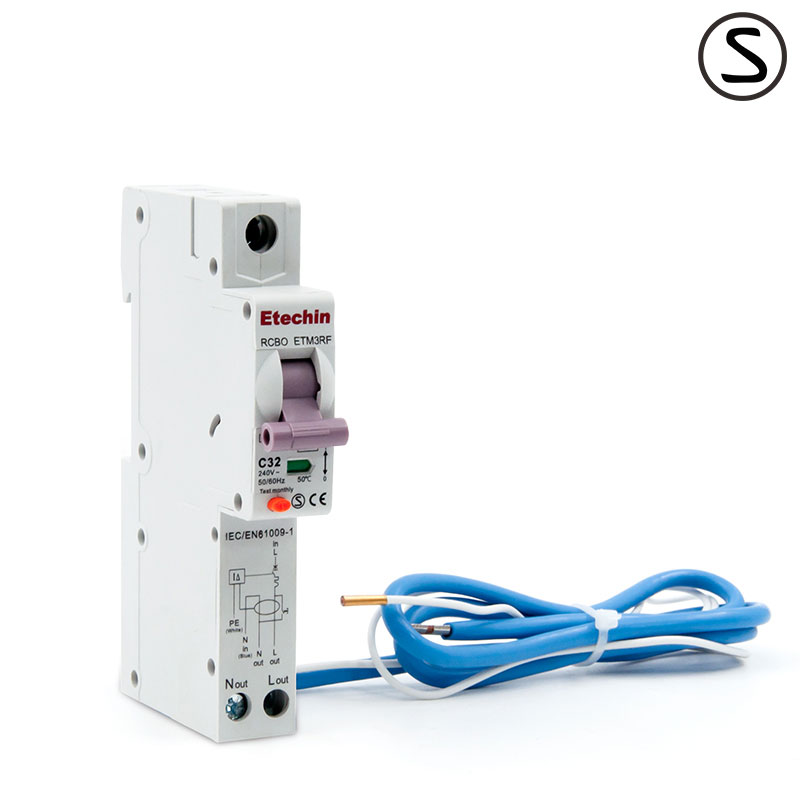
In the evolving world of electrical safety, devices that protect electrical circuits from faults and hazards are paramount. Among these, the RCBO plays a critical role in safeguarding both people and property. This article delves into the meaning of RCBO, its importance, and its application in modern electrical installations.
### What is an RCBO?
RCBO stands for Residual Current Breaker with Overcurrent protection. It is a device that combines the functions of a Residual Current Device (RCD) and a Miniature Circuit Breaker (MCB) into one unit. Essentially, an RCBO serves two major protective functions:
1. **Residual Current Protection**: It detects earth leakage currents that occur when electrical current escapes the intended circuit path, which could be through a human body or faulty insulation. If the leakage current exceeds a certain threshold, the RCBO quickly trips to cut off the power, significantly reducing the risk of electric shocks or fire.
2. **Overcurrent Protection**: It protects electrical circuits from damage caused by overcurrent – which includes both overload (excessive current flow over time) and short circuit situations (sudden surge of current). By interrupting excessive current flow, RCBOs prevent overheating and damage to wiring or devices connected to the circuit.
### Why is RCBO Important?
The integration of residual current detection and overcurrent protection makes RCBOs highly efficient and space-saving devices. Here are some reasons why RCBOs have gained widespread acceptance:
- **Enhanced Personal Safety**: By rapidly disconnecting the supply during leakage faults, RCBOs prevent potential electric shocks, which are a major cause of injury and fatality in electrical accidents.
- **Fire Prevention**: Electrical faults, such as insulation failures that cause leakages or short circuits, can lead to fires. By detecting both leakage and overcurrent conditions, RCBOs help prevent fires stemming from electrical faults.
- **Convenient Fault Isolation**: Unlike separate RCDs and MCBs, which protect several circuits collectively, RCBOs provide dedicated protection for individual circuits. This isolation identifies the faulty circuit quickly and avoids cutting power to multiple areas unnecessarily.
- **Compliance with Safety Standards**: Modern building codes and electrical safety regulations increasingly recommend or mandate the use of RCBOs in residential, commercial, and industrial electrical installations to meet stringent safety criteria.
### Where are RCBOs Used?
RCBOs find application in a variety of installations including homes, offices, factories, and public buildings. In residential settings, they are installed within distribution boards to protect lighting circuits, sockets, and large appliances individually. In industrial or commercial contexts, RCBOs ensure that critical equipment is protected from faults, thus minimizing downtime and damage.
### Advantages Over Separate Devices
Traditionally, separate RCD and MCB devices were used in distribution boards to provide residual current and overcurrent protection respectively. However, RCBOs offer several advantages over this setup:
- **Space Efficiency**: Combining two protective functions into one device reduces the space needed within electrical panels.
- **Simplified Wiring**: Installation is streamlined because only one device replaces two, reducing wiring complexity and potential errors.
- **Improved Selectivity**: Individual circuit protection means that only the faulted circuit trips, which enhances convenience and safety.
### Technical Aspects
RCBOs are characterized by rated current, rated residual operating current (sensitivity), tripping characteristics, and short-circuit capacity. For example, common residual current sensitivities are 30mA for personal protection and higher values for equipment protection. The choice of RCBO depends on the specific requirements of the electrical installation, including load ratings and safety standards.
### Conclusion
The RCBO is a vital device in modern electrical safety systems, offering robust protection by combining leakage current detection with overcurrent protection. Its role in preventing electric shocks and electrical fires cannot be understated, making it a standard component in safe electrical circuit designs. As electrical standards evolve towards enhanced safety and efficiency, the adoption of RCBOs is set to increase, providing better protection for lives and property.
---
*Note: The above article is a general overview and does not reference any specific brand names or companies.*